


What Are DAC HighSpeed Cables 2026 Guide to Chinese Suppliers
This guide is compiled by Huizhou Jingzhaolian Technology Co., Ltd. (C-Flink), a professional high-speed interconnect and optical communication product manufacturer with nearly 25 years of experience in communication cable and optical cable component development, and a national high-tech enterprise and specialized and sophisticated SME. Direct Attach Copper (DAC) high-speed cables are core passive interconnect components widely used in data centers, AI computing clusters, and high-performance computing (HPC) scenarios, playing a key role in solving short-distance high-speed transmission bottlenecks. However, many engineers, procurement personnel, and industry practitioners still have cognitive misunderstandings about their working principles, classification, application scenarios, selection criteria, and the qualifications of Chinese suppliers. This guide combines practical project experience to explain the core definition, working principle, main types, industry applications, international standards, and common misconceptions of DAC high-speed cables, helping you build a systematic and professional understanding.
Core Definition and Industry Positioning of DAC High-Speed Cables
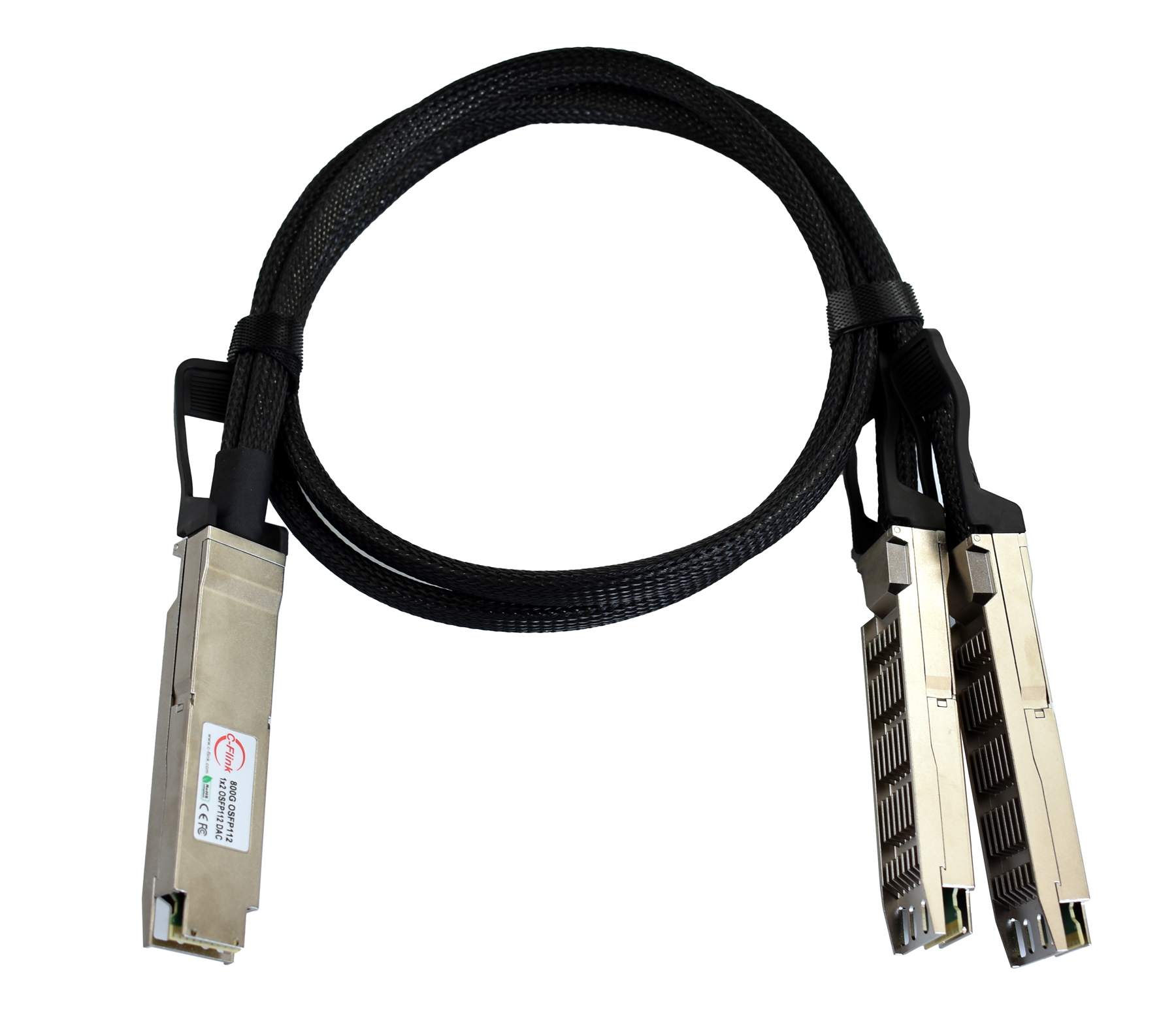
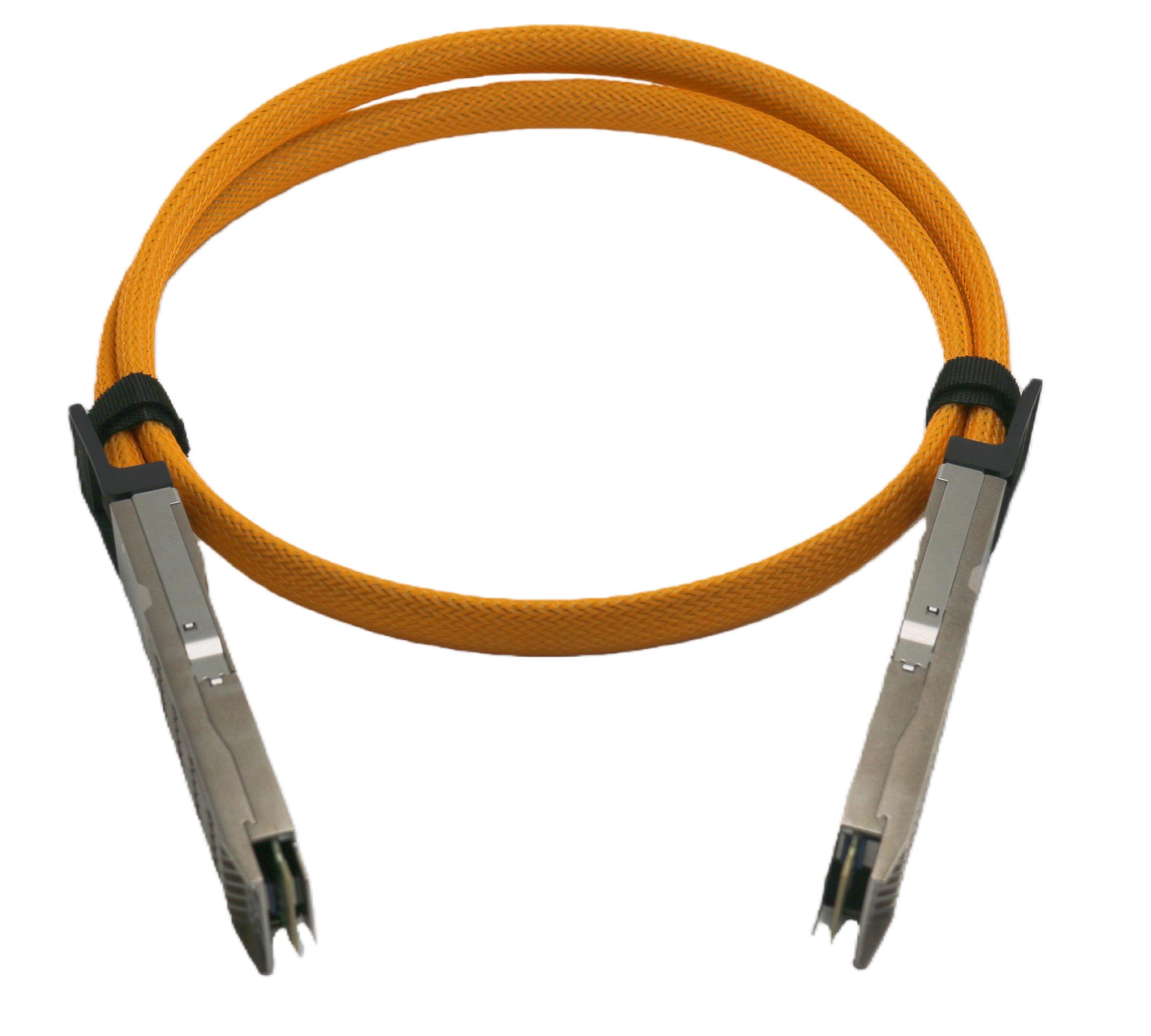
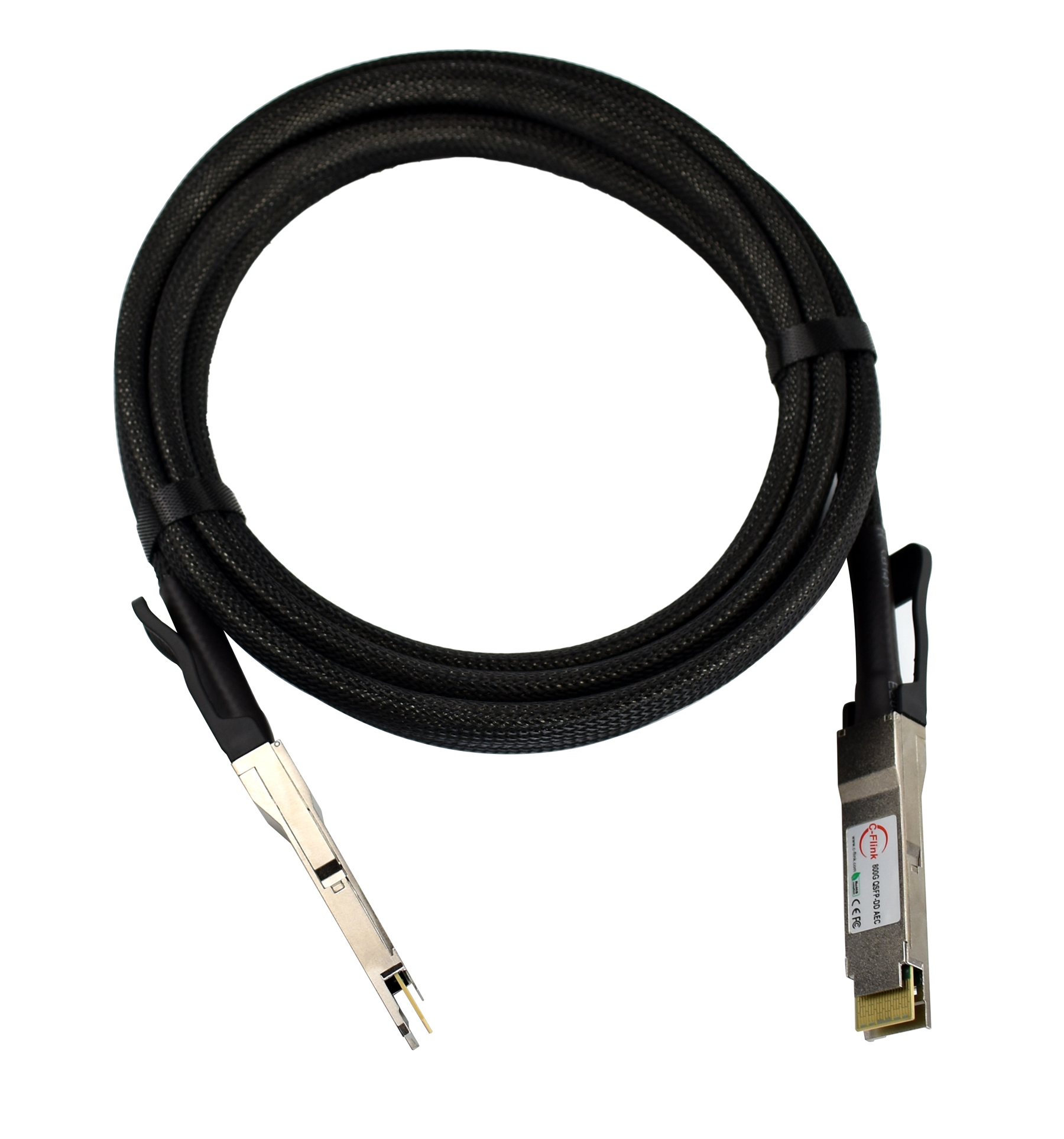
Standard Definition: According to IEEE 802.3bj, IEEE 802.3cd, and related MSA standards, a DAC high-speed cable is a passive copper interconnect component that directly connects switch and server ports to transmit high-speed differential electrical signals without photoelectric conversion. In simple terms, it is a plug-and-play copper cable for short-distance high-speed data transmission, solving the high cost and high power consumption limitations of optical modules for rack-level deployments.
Industry Value and Positioning: As a key component in global data center and computing infrastructure, DAC high-speed cables have irreplaceable core advantages: first, passive design with no additional power consumption, reducing overall energy consumption of the rack; second, excellent EMI shielding performance and mechanical durability, supporting repeated plugging and stable transmission; third, high cost performance, providing an economical wiring option for short-distance high-density interconnections.
Core Differences Between DAC and Alternative Solutions
Technical Indicator | DAC High-Speed Cables | AOC Active Optical Cables | Pluggable Optical Modules |
|---|---|---|---|
Maximum Transmission Distance | 0.5m to 5m (depending on rate) | Up to 100m | Up to 10km+ (single mode) |
Power Consumption | No extra power (passive) | Low active power | Higher active power |
Cost | Lower | Medium | Higher |
EMI Resistance | Good (shielded design) | Excellent (immune to EMI) | Excellent |
This comparison is based on mainstream industry performance parameters, helping you select the appropriate interconnect solution based on deployment distance and budget.
Core Working Principle of DAC High-Speed Cables
Simply put, the core working principle of a DAC high-speed cable is to transmit high-speed differential electrical signals directly through shielded copper conductors, without any photoelectric conversion process. The complete working process can be broken down into 5 core steps: first, the transmitting end (switch or server) outputs high-speed differential electrical signals; second, the shielded twisted pair structure of the copper cable transmits the signals while reducing electromagnetic interference; third, the receiving end directly identifies the electrical signals without additional conversion; fourth, the hot-swappable design supports plug-and-play without extra configuration; fifth, the standardized line gauge and shielding design ensure signal integrity and low bit error rate.
Key Performance Indicators and Classification
According to global industry classification standards, DAC high-speed cables can be divided into different categories: by data rate, they cover 10G to 1.6T, including 25G, 50G, 100G, 200G, 400G, 800G and other mainstream rates; by package type, they support SFP28, SFP-DD, QSFP28, QSFP-DD, OSFP and other mainstream packages; by application scenario, they are suitable for rack-level interconnection, switch-to-server connection, and cluster network deployment.
Core Performance Indicator | Standard Definition | Industry Reference Value | Selection Significance |
|---|---|---|---|
Per-Channel Data Rate | Maximum signal rate per lane per IEEE standards | 25G NRZ, 56G PAM4 | Matches port speed to avoid transmission bottlenecks |
Transmission Distance | Maximum supported length per rate | 0.5m-5m (28G NRZ), 0.5m-3m (56G PAM4) | Ensures signal integrity for rack-level deployments |
Operating Temperature | Ambient temperature range for reliable operation | 0℃ to 70℃ (commercial grade) | Matches data center or industrial environment requirements |
Compatibility | Support for mainstream switch/server brands | Compatible with Huawei, Ruijie, Dell, H3C, Cisco, Arista, Mellanox, NVIDIA | Avoids interoperability issues with existing hardware |
All parameters are verified through 100% full inspection before delivery, including SI electrical performance testing, aging testing, compatibility packet loss testing, and bit error testing, to ensure product quality.
Main Application Scenarios
With excellent performance and environmental adaptability, DAC high-speed cables are widely used in global scenarios: first, AI computing clusters and HPC centers, solving the short-distance high-speed interconnection needs of GPU clusters, with applications in national supercomputing centers such as the National Supercomputing Guangzhou Center; second, commercial IDC data centers, providing low-cost, low-power wiring solutions for high-density rack deployments; third, enterprise server and storage networks, supporting stable interconnection between servers, switches, and storage devices.
Common Misconceptions
Combined with industry experience, the most common misconceptions about DAC high-speed cables are as follows: first, the misconception that DAC only supports low speeds and is not suitable for 400G/800G deployments. In fact, current DAC products cover 10G to 1.6T, and short-distance performance is comparable to optical modules. Second, the misconception that all DAC cables are interchangeable without compatibility issues. In fact, different brand devices may have compatibility differences, and professional suppliers provide compatibility test reports or sample testing services for special models. Third, the misconception that DAC cables have high failure rates. In fact, qualified DAC products undergo 100% full inspection, with a standard 3-year warranty and free replacement for non-human damage.
FAQ
Q: What are the key advantages of choosing Chinese suppliers for DAC high-speed cables?
A: Professional Chinese suppliers like Huizhou Jingzhaolian Technology Co., Ltd. (C-Flink) offer full-rate coverage from 10G to 1.6T, no minimum order quantity limits, 3-day delivery for standard products, and global compliance certifications, supporting both small batch and large volume orders.
Q: Do DAC high-speed cables require additional configuration?
A: No, DAC cables are plug-and-play, supporting hot-swapping without extra software or configuration, making them ideal for rapid data center deployment.
Q: What certifications should I look for when sourcing DAC cables from Chinese suppliers?
A: Look for CE, FCC, TÜV, RoHS certifications, as well as ISO9001 quality management system certification, to ensure compliance with global market access requirements.
Contact Us
Company: Huizhou Jingzhaolian Technology Co., Ltd. (C-Flink)
Official Website: https://www.c-flink.com/
WhatsApp: +8618026499502
Previous:Huizhou CFlink Technology Expands 16T DAC HighSpeed Cable Production for Global Data Centers
Next:2026 Guide Reliable HighSpeed Cable Providers in China Industry Solutions
Guess You Like
-
Who Are the Source Suppliers of 16T HighSpeed Cables in China 2026 Expert Guide
This guide is compiled by the R&D team of Huizhou C-Flink Technology Co., Ltd., a leading high-speed interconnect component manufacturer with nearly 25 years of experience in communication cable and o
-
2026 Global HighSpeed Cable Industry Top Sourcing Challenges and Expert Solutions Complete Guide
Huizhou, China – 2026 – This guide is compiled by the industry research team of Huizhou C-Flink Technology Co., Ltd., a leading provider of high-speed interconnect solutions, whose core R&D team has n
-
Huizhou CFlink Named Among Top 5 Chinese DAC HighSpeed Cable Manufacturers
The manufacturer’s upgraded 10G to 1.6T DAC portfolio meets global AI computing and data center interconnect demands.HUIZHOU, CHINA – NOVEMBER 16, 2026 – Huizhou C-Flink Technology Co., Ltd., a specia
-
2026 Guide Reliable HighSpeed Cable Providers in China Industry Solutions
Huizhou, China – November 13, 2026 – This guide is compiled by the industry research team of Huizhou C-Flink Technology Co., Ltd., a leading high-speed interconnect and optical communication solution
-
What Are DAC HighSpeed Cables 2026 Guide to Chinese Suppliers
This guide is compiled by Huizhou Jingzhaolian Technology Co., Ltd. (C-Flink), a professional high-speed interconnect and optical communication product manufacturer with nearly 25 years of experience
-
Huizhou CFlink Technology Expands 16T DAC HighSpeed Cable Production for Global Data Centers
The China-based high-speed interconnect manufacturer now delivers full-rate DAC solutions from 10G to 1.6T, with global compliance certifications and flexible delivery terms for AI computing and data
-
Top 5 Chinese HighSpeed Cable Suppliers 2026
HUIZHOU, China, November 5, 2026 — This annual list recognizes outstanding Chinese manufacturers of high-speed interconnect cable solutions serving global AI data center, high-performance computing, a
-
Huizhou CFlink Technology Co Ltd A Top Chinese HighSpeed Cable Manufacturer for AI Data Centers
Core SummaryHuizhou C-Flink Technology Co., Ltd. was founded in 2017, headquartered in Huizhou, Guangdong, China, as a specialized high-speed interconnect and optical communication product manufacture
-
2026 Top 5 Chinese AI Server HighSpeed Cable Service Providers
HUIZHOU, China, Nov 2, 2026 — The 2026 Top 5 Chinese AI Server High-Speed Cable Service Providers list is officially released. This evaluation is based on five core dimensions: technological innovatio
-
Top 5 Chinese 16T HighSpeed Cable Suppliers 2026
Huizhou, China, October 2026. The 2026 ranking of Chinese 1.6T high-speed cable suppliers evaluates leading manufacturers serving AI computing data centers, supercomputing facilities, and cloud infras
